Output At Scale
The calorific value is high enough to meet the combustion demands of large marine engines, industrial boilers, and thermal turbines—systems that do not get turned off and cannot run on something that underdelivers.

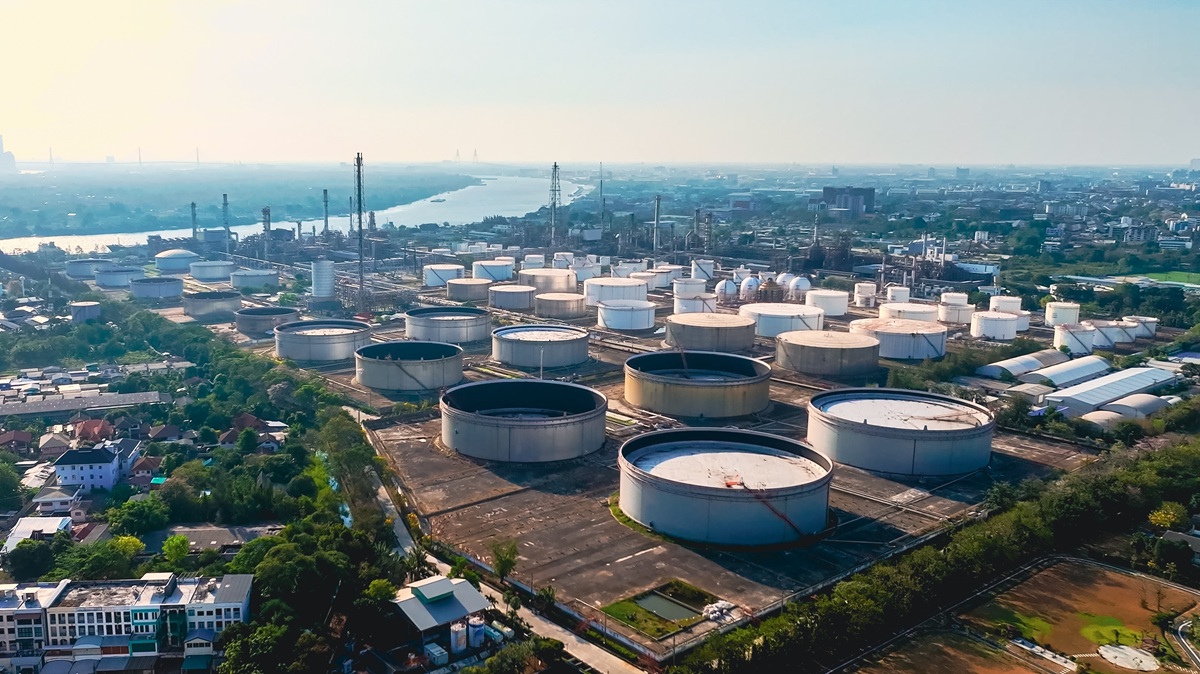
D6 fuel oil goes by a few names—Residual Fuel Oil, RFO, Bunker C—but the buyers who work with it regularly do not spend much time on the terminology. They care about one thing: getting consistent supply of a product that meets spec and arrives when it is supposed to.
JSV Global Services is a global D6 fuel oil supplier. That means we are not a refinery and we do not produce anything. We supply buyers—shipping operators, plant managers, power utilities, industrial procurement teams—with D6 fuel oil sourced from verified refineries and mandate holders across the major supply regions. We handle the transaction structure, the documentation, and the logistics coordination so the deal closes cleanly on both ends. If you need D6 and you want someone who actually knows how this market works, that is the conversation we are set up to have.
Cleaner fuel alternatives have taken market share in certain sectors. That is real. But D6 has not gone anywhere, and for the industries that rely on it, the reasons are fairly straightforward.
The calorific value is high enough to meet the combustion demands of large marine engines, industrial boilers, and thermal turbines—systems that do not get turned off and cannot run on something that underdelivers.
On a per-metric-ton basis, D6 is considerably cheaper than distillate fuels. Multiply that difference across tens of thousands of tons and it stops being a footnote in the budget conversation.
Russia, the Middle East, the U.S. Gulf Coast, Southeast Asia—D6 comes out of all of them. When one market gets tight, there are others to pull from. That matters when you are trying to keep a supply schedule intact.
This is not a commodity where the rules get made up deal by deal. D6 trades within an established international framework with recognized documentation standards, pricing benchmarks, and logistics channels that have been handling this product for a long time.
If you have an actual procurement need and want to talk to people who work in this market, get in touch. We are not going to walk you through a pitch. You tell us what you need, we tell you whether we can deliver it, and we go from there. Monday through Friday, 9am to 6pm. We pick up the phone and we respond to inquiries the same day.
They both come from crude oil but the similarity stops there. Diesel gets extracted early in the refining process—it is a lighter, cleaner distillate that runs in conventional engines without any special handling. D6 is what is left after those lighter products have been removed. It is heavy, thick, and has to be preheated before it will even move through a pipe. The equipment that burns it is built for that specific purpose. You cannot swap one for the other—they serve completely different applications.
Some can, some cannot—it depends on the vessel. IMO 2020 capped sulfur in marine fuel at 0.5% globally, and D6 typically runs between 1% and 4%, so it does not comply on its own. But ships fitted with exhaust gas cleaning systems can legally continue burning high-sulfur fuel oil in international waters outside of Emission Control Areas. If your fleet has scrubbers and your routes keep you outside those zones, D6 may still be an option worth looking at. We can talk through your specific situation once we know more about your setup.
Most deals in this space open around 500,000 barrels, but that number moves depending on the seller and the structure of the deal. Volume is one of the first things we establish. If yours is on the lower end, tell us that upfront—it is a much shorter conversation than going through the full documentation process and finding out at the end that the numbers do not work.
D6 is quoted in U.S. dollars per metric ton and tracks closely with crude oil markets. The IFO 380 CST bunker benchmark—followed through Platts and Argus—is the most common reference point. From there, freight costs, regional supply conditions, sulfur content, and origin all affect where the final number lands. We do not post fixed prices. Pricing comes through at the SCO stage once we have matched your requirements to an actual supply source.
The sequence goes: Soft Corporate Offer from the seller, Letter of Intent or ICPO from the buyer, Proof of Product from the seller, then a formal sales contract. Depending on origin and buyer requirements, you may also need SGS inspection certificates, a certificate of origin, and a bill of lading. JSV Global walks you through each document as it comes up. Nothing gets handed to you without an explanation of what it is and why it matters.
It depends on what you have on-site. D6 needs heated tanks and pumping systems designed for a heavy residual product—standard liquid-bulk infrastructure usually does not cut it. Common delivery arrangements include ship-to-ship transfer at sea, tank-to-tank at a terminal, or direct tanker delivery to a shore facility with the right equipment. We work with logistics partners and structure delivery around your location and your infrastructure.
Multiple. Our network covers Russia, the Middle East, the U.S. Gulf Coast, and Southeast Asian refining markets. When one region gets tight on availability or pricing moves unfavorably, we have other places to go. For buyers trying to maintain a consistent supply schedule, that flexibility is worth something.
A straightforward deal—qualified buyer, responsive seller, clean documentation—can move from first contact to delivery coordination in two to four weeks. Add complexity and that timeline stretches. Bigger volumes, cross-border logistics, extra verification steps all add time. We tell you upfront what a realistic timeline looks like for your specific situation. If it is going to take six weeks, we say six weeks.